Shelley Paulson Photography Blog
  • 10 - Photography Tips
  • May25th

    5 Comments
    066_sutton.JPG

    There area still a few spots left in my workshop I am teaching for the Equine Photographer’s Network, so I thought I would share a little more detail about what , to get a few of you off the fence and out to Kentucky for the workshop!

    I want to start by saying that my teaching style is like coaching. I share a lot of information, and then encourage my students as they apply what they’ve learned. I am a patient and kind teacher and an open book. You can ask me anything over the course of the workshop, and I’ll do my best to answer (Admittedly, I don’t know everything!) In addition to what I’m outlining here, I’ll try and fit in some time to share about my business approach, and I’ll bring samples of my marketing materials.

    This workshop will be PRACTICAL. If you want to learn how to take portraits of people and horses on which you can build a successful business, then invest your time and money into this workshop. Here’s an overview of what I’ll be teaching and what the photography opportunities will be:

    Tuesday, June 15th

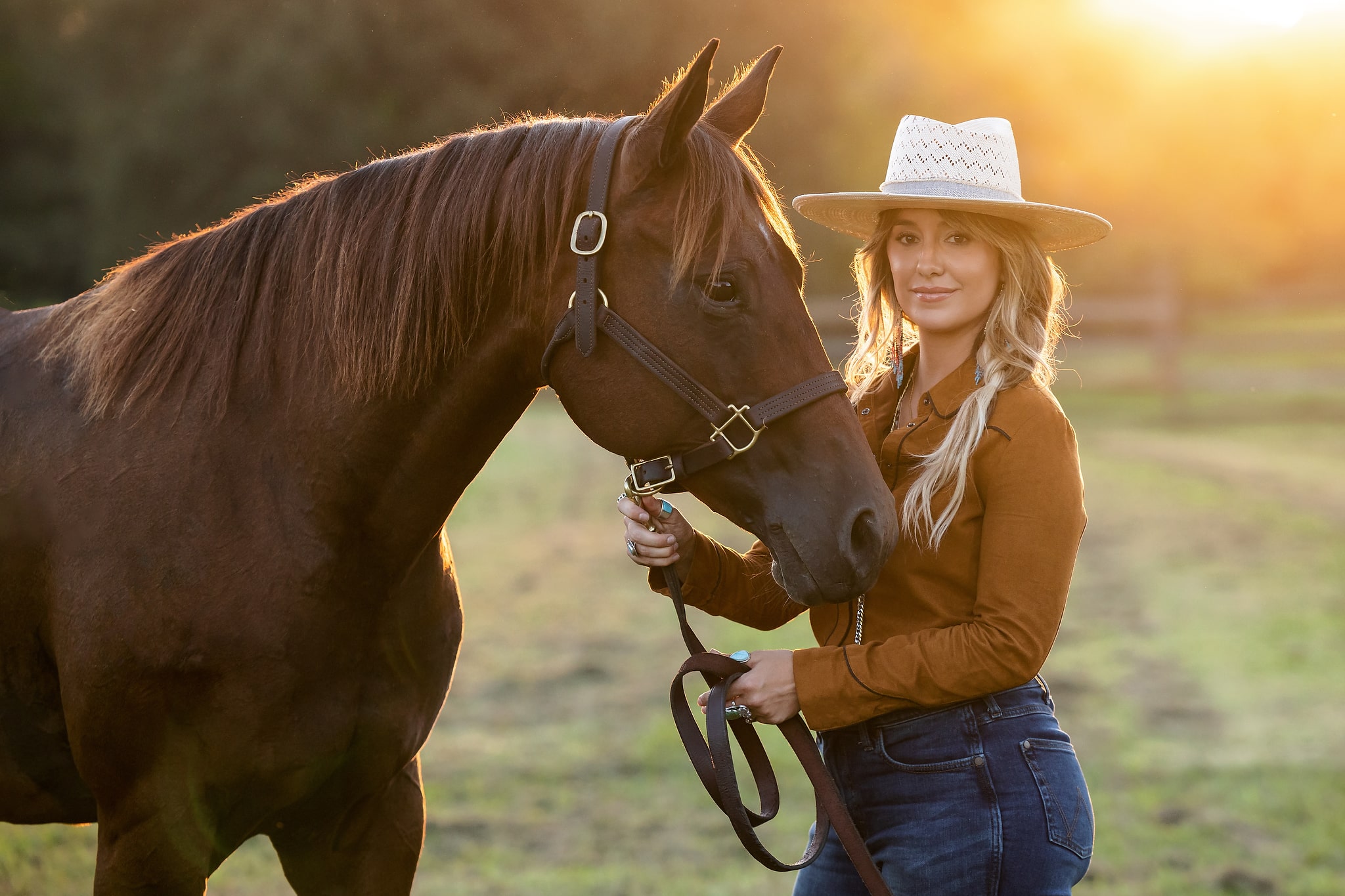
    The workshop is going to start out Tueday with a thorough overview of how to photograph horses, including a discussion of light, location, angles, and capturing the correct part of the stride in all three gaits. After a break, I’ll dive in to a presentation called “The Art and Heart of Photographing Horses with People.” This presentation will get into specifics of how to pose and light horses with people, and how to capture the emotional bond people have with horses.

    We’ll have lunch, then I will do a live presentation of the information I shared in my online course “Composition – Beyond the Closeup.” (Yes, you’re brain will be full, and hopefully, your heart inspired!)

    Late afternoon, you will have an opportunity to use what you’ve learned, and do something for those less fortunate, but creating portraits of special needs kids with the horses they ride at a therapeutic riding program called “Riding for Hope.” Please don’t be intimidated by this part of the workshop. There will be lots of helpers around, and if you don’t feel comfortable interacting with the kids, you can just watch.

    For the evening, we will photograph horses at liberty with the beautiful backdrop of the Kentucky countryside.

    Wednesday, June 16th

    On Wednesday, we’ll get up with the dawn and spend some time taking photos on our own at Keeneland Ractrack. We’ll have access to the track, as well as the stables where the horses are prepped for the day. This was one of my favorite parts of the workshop last year. After the track, we’ll photograph mares and foals in pastures at one of Lexington’s beautiful Thoroughbred farms.

    We’ll have lunch, then I will share my personal workflow, using Lightroom and Photoshop. This is information I ONLY share in live workshops, so don’t wait for the online class for this, there won’t be one.

    The afternoon will wrap up with portfolio reviews, then we’ll head out for an evening portrait session at a Saddlebred barn, where you will put together all you’ve learned as you photograph women and the horses they love. As the sun gets low in the sky, we will all focus on the owner of the barn, a former model, and one of her gorgeous horses, for a sunset portrait session.

    Of course, some of these plans could change a bit, and other things could be added, but this is the current plan.

    Ready to sign up? Great! http://events.equinephotographers.net/ky10/spwkshp/

    ps. I am not planning any other equine photography workshops this year.

  • February25th

    1 Comment

    As I prepare to teach my online course on Composition through the Equine Photographer’s Network, I wanted to share some of my thoughts on why I believe it is important that photographer’s don’t skip the step of learning and masting basic concepts of composition.

    What I see in the work of photographers who are just starting out (and a few who have been around awhile), is a tendency to shoot almost everything close up and vertical. This is a very safe way of shooting and you can create strong, clean images with this method and I also shoot my fair share of close up and vertical images. But as I have endeavored to learn and apply compositional techniques to my work, I have turned my camera horizontal more and more, and found ways to communicate a lot more about what I am shooting, especially the environment in which my subject exists. This is a foundation to storytelling imagery!

    I’m a visual learner and communicator, so I am going to use some photos to explain. I will work with several crops of an image I took in Kentucky last fall.

    IMG_2856.JPG

    This is not a bad image, but it doesn’t take long for me to “read” the image and see three horses running in the fall. Pretty, but I don’t need to look at it very long.

    IMG_2856-2.JPG

    The next image shows a little more, because it is in a horizontal format, but the crop is too tight to make good use of the elements in this scene to give the viewer more to look at and guide them through the entire photograph.

    IMG_2856-3.JPG

    Here is the image as I shot it. I included the fence as a leading line to the horses, left room for them to run into, shot before the horses got to the tree so as to keep them in a cleaner background, balanced the scene between the horses and the tree, and included a lot of great scenery to give the photograph visual interest and texture.

    I want to encourage you to take a look at your images. Are most of them close up and vertical? Then please consider spending the month of March learning composition with me! I promise not to pile a bunch of rules on you that will make you feel confined in your photography. Rather, I want to teach you some basic concepts that will help you make more compelling, more interesting photographs. Once you have learned these concepts, they will become an intuitive part of your shooting and you will be able to forget them.

    Don’t forget, this course is open to ALL PHOTOGRAPHERS, not just equine photographers or members of the Equine Photographer’s Network. I am not limited the subject matter for this course, you can shoot any subject matter for the assignments.

    There will be two simple reading and shooting assignments each week, and you will have the opportunity to get gentle feedback on your images to make sure you are understanding the concepts being taught.

    Learn more and register!

  • November24th

    6 Comments

    It’s just a few days until black Friday and I’m getting a steady stream of questions about what camera I would recommend for people to buy this holiday season.

    One of the greatest difficulties I have in recommending gear is that I don’t use every kind of camera, so I can’t really tell you what to buy, unless you want to spend a lot of money and buy the stuff I have. :)

    So instead of making specific recommendations, I’m going to give you some opinions and general thoughts on camera buying. Let the camera store guys and online reviews guide you the rest of the way.

    Pros and Cons of buying and SLR vs. a Point and Shoot

    SLR Pros

    • Better images
    • Better control over exposure and depth of field
    • More flexible because you can change lenses
    • Look cool

    Point and Shoot Pros

    • Cheaper
    • More portable
    • Easier to use

    For the cons, just reverse the above. ie. a con for the SLR is that it’s expensive, more gear to drag around and more complicated to use. For the P&S, you have less image quality and control, you are stuck with one lens, and it doesn’t look as cool. ;)

    Buying an SLR

    Most people really focus on the camera body when buying a digital SLR, but I don’t believe the camera body is the most important part of the camera setup. Having a quality camera body is great, but if you stick a cheap-o lens on it, your image quality will be lower than if you had a lesser camera body with a great lens in front of it.

    My first recommendation to people is that with whatever camera body they purchase, they also purchase a 50mm 1.8 lens (Canon | Nikon). It is right around $100 for the Canon version, $125 for the Nikon, and is the best lens you will EVER get for that price. It creates sharp images with great color and contrast and and will well work in low light. Without getting into too much detail on aperture and exposure, a 1.8 lens is going to let in a ton more light than a 3.5-5.6 lens (which is the typical aperture range on the lenses that come with cameras – the maximum aperture [lower number] varies depending on the zoom level).

    I get a lot of people asking why they can’t take sharp photos without a flash and this is why. They buy the “kit” lens with the camera and it needs lots of light to yield sharp images. The 50mm 1.8 will allow you to take images indoors without a flash if you are willing to work at ISO 400+.

    Buying a Point and Shoot

    I have a point and shoot – the Canon A1000 IS. I got it for Christmas last year because I was tiring of always having to lug all my gear around with me and just wanted something compact to throw in my purse or pocket. It’s a nice camera. Not a lot of features, but I have fun with it. I’ve been taking it on my morning walks with our new dog Toby, and having fun capturing the world around us with a daily project I’m calling “Morning Walk“. The point of sharing all this is that you don’t have to spend a lot of money and have a ton of technical features to have fun taking photos with a point and shoot. Especially if you are a busy mom or dad and just want something to whip out at a moment’s notice and snap that funny face your kid just started making!

    If I had a lot of money to spend on a point and shoot camera, I would buy the Canon G11. It features full creative control, takes great low light photos, and shoots RAW. However, it’s a lot of money for something I use rarely. If I didn’t have an SLR or two, I would own this baby. :)

    What to Buy With Your Camera

    Here’s what you will need for whatever camera you buy:

    • Camera Bag – I prefer bags you can get into while you are on the move. I have a nice backpack, but I use a smaller shoulder bag when I’m actually out doing photography. The bad thing with backpacks is you have to set them down to get into them, whereas with a shoulder bag, you can dig in it without stopping. As a girl, I like these bags.
    • Memory Cards – I’m not in the “bigger is always better” camp on this one. I like 4GB and 8GB cards, so not all my eggs are in one basket. I’ve had cards go bad on me, and even lost one before. I would have lost a lot more if they were 16GB and 32GB cards. I use SanDisk Ultra and Extreme cards, as well as Kingston Elite Pros.

    Here’s what you won’t need, but they’ll try to sell you:

    • Tripod – Most people don’t really need a tripod unless they are really into landscape or macro photography. I almost never use one (only for architecture, and occasionally for large group portraits) and I don’t think having a tripod is some sort of right of photography passage. I like the little Gorillapods, though I don’t own one. I would think most people could get away with something little like this if they had a surface to set their camera on.
    • Filters – I don’t use filters on any of my lenses. I do use lens hoods to keep them protected. Cheap filters lower image quality and can create reflections in your images. If you really feel that you need a filter, spend at least $50 to get a good, multi-coated one.

    I hope this helps. If you have questions, please feel free to leave them in the comments, then everyone can benefit from the answers. :)